
The Small-Town Resurgence: What Real Estate Developers and Invest
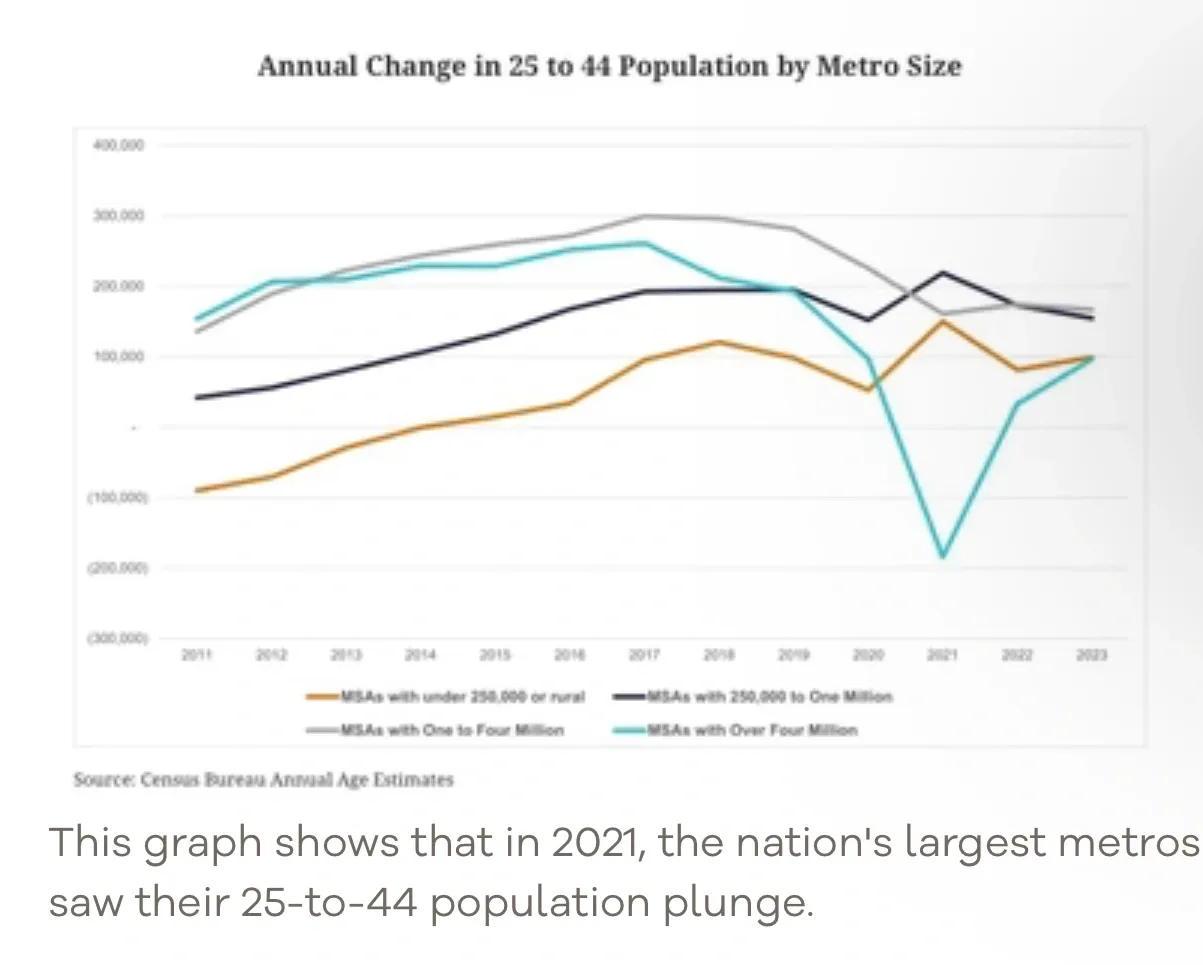
A seismic shift in migration patterns is creating new opportunities in small-town and rural real estate. Young professionals aged 25 to 44 are moving out of major metros and into smaller communities at the highest rate in decades—a trend that’s reshaping housing demand, business growth, and development potential.
For developers and investors, this movement represents a generational shift in where people want to live and work. The data suggests that this isn’t just a pandemic-era anomaly, but rather the beginning of a long-term transformation.
Young Adults Are Driving a Small-Town Boom
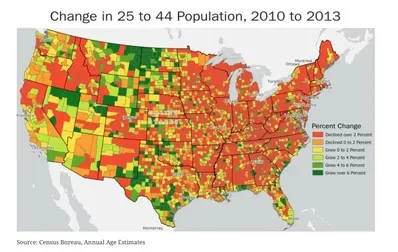
According to the latest U.S. Census Bureau estimates, two-thirds of population growth since 2020 has occurred in areas with fewer than 1 million residents. This reverses a decades-long trend where young professionals overwhelmingly flocked to major metros like New York, San Francisco, and Washington, D.C.
While companies have pushed for a return to office work, the shift to smaller towns has only accelerated. The ability to work remotely, combined with rising urban living costs and a growing preference for lifestyle-oriented locations, has made smaller cities and rural communities more appealing than ever.
Where Are Young Adults Moving?
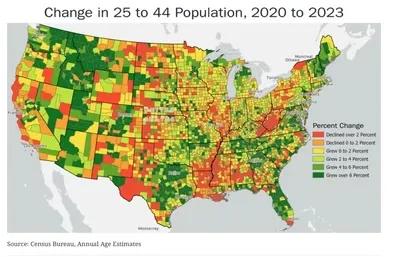
Young professionals aren’t relocating to just any small town. They are highly selective, favoring areas with strong natural amenities—features such as favorable climates, outdoor recreation, and scenic landscapes.
For example:
• Chafee County, CO (Rocky Mountains) has seen its younger workforce double the national growth rate over the past decade.
• Southern Appalachian coal country, which lacks these amenities, has struggled to attract new residents.
This data suggests that investors and developers should focus on lifestyle-driven markets—places with lakes, mountains, and outdoor recreation that appeal to a demographic seeking work-life balance.
The ‘Zoom Town’ Effect and Long-Term Remote Work Viability
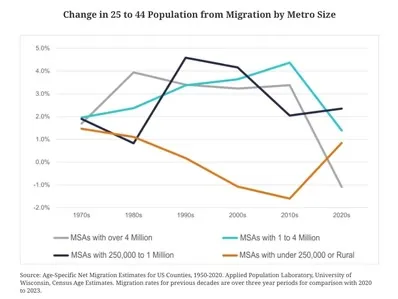
The concept of “Zoom towns” emerged during the pandemic, as remote workers fled expensive cities for affordable, spacious homes in smaller communities. While some companies have mandated office returns, many workers have maintained what researchers call “geographic flexibility.”
Data suggests that:
• Young professionals who moved to rural areas have higher incomes than before, indicating that remote work is still viable for many.
• Business creation in rural areas has surged—IRS applications to start new businesses in small metros and rural counties grew 13% faster than in urban areas from 2019 to 2023.
This shift is creating demand for mixed-use developments, co-working spaces, and lifestyle-centric housing in smaller cities—key areas where developers can add value.
Why This Trend Matters for Real Estate Investors and Developers
1. New Markets Are Emerging – Once-overlooked towns and rural regions are seeing demand for high-quality housing and commercial space.
2. Lifestyle-Oriented Development is Key – Projects near natural amenities and outdoor recreation will outperform in attracting young buyers and renters.
3. Remote Work is Fueling Economic Growth – This migration is not just about housing—new businesses and services will be needed to support a growing professional workforce.
4. Affordability Pressures Are Driving Migration – Rising costs in major metros will continue to push young professionals toward smaller communities with lower housing prices and better quality of life.
Looking Ahead: Where the Opportunities Lie
Developers and investors should focus on strategic small-town markets with:
✅ High natural amenity scores (mountains, lakes, coastal areas)
✅ Strong broadband infrastructure (crucial for remote work sustainability)
✅ Mixed-use potential (residential, retail, and office development)
✅ Growing entrepreneurship and business activity
This trend is just beginning. The small-town revival presents an untapped real estate opportunity for those who recognize the long-term potential—will you be ahead of the curve?